Rejection Sensitive Dysphoria in Gifted Secondary Classrooms: When Bright Students Feel Criticism Like Impact
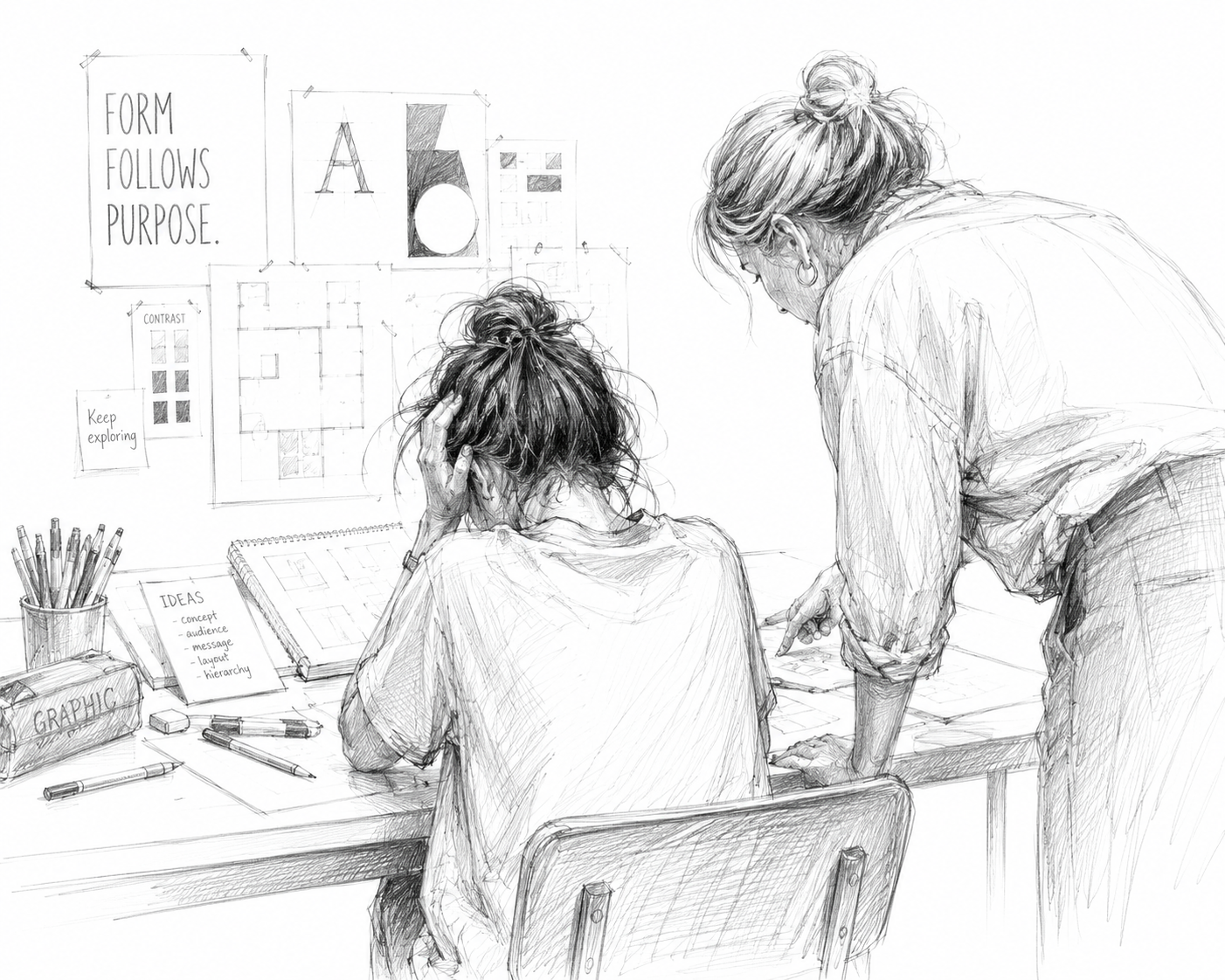
Gifted secondary classrooms are often full of students who think quickly, feel deeply, argue precisely, and notice far more than they let on. They can be witty, articulate, imaginative, perfectionistic, socially alert, and intensely self-aware. They can also be very fragile around criticism, correction, exclusion, or perceived failure.
This is where the idea of Rejection Sensitive Dysphoria, often shortened to RSD, becomes useful.
RSD is not a formal diagnosis in the DSM, but it is commonly used to describe an intense emotional reaction to real or perceived rejection, criticism, failure, or disapproval. It is often discussed in relation to ADHD, where emotional self-regulation can be a significant difficulty. Cleveland Clinic describes RSD as severe emotional pain linked to rejection or failure, and Healthdirect Australia notes that ADHD can affect a person’s ability to regulate thoughts, speech, actions and emotions.
In a gifted secondary school environment, this matters enormously.
A student may not simply hear:
“This section needs more development.”
They may hear:
“I’m not good enough.”
“My teacher is disappointed in me.”
“Everyone else is better.”
“I’ve been exposed.”
“I’m failing.”
That emotional leap can happen very quickly, especially for students with ADHD, twice-exceptionality, anxiety, perfectionism, or a long history of being praised for achievement rather than process. Twice-exceptional students — gifted students who also have ADHD, autism, dyslexia or another learning difference — can have strengths and challenges that mask each other, making their needs easy to misread.
Why gifted students can be especially vulnerable
Gifted students are often used to being capable. Many have grown up receiving praise for being clever, fast, original or advanced. That can be beautiful, but it can also create a dangerous internal contract:
“I am valued when I am impressive.”
When that belief is sitting underneath the surface, ordinary classroom feedback can feel like a threat to identity. A mark, a correction, a peer comment, or a teacher’s raised eyebrow can land with disproportionate force.
In design, media, writing, performance, music, photography, and other creative subjects, this can become even more intense because students are not just submitting answers. They are submitting ideas, taste, identity, voice and imagination. The work feels personal because it is personal.
So when feedback arrives, the student may defend the work as though defending the self.
What RSD can look like in class
In a gifted secondary classroom, rejection sensitivity may not always look like sadness. It can look like:
shutting down after mild feedback
refusing to submit unless the work is “perfect”
arguing with the teacher over small wording
saying “I don’t care” when they care deeply
avoiding challenging work
becoming sarcastic or dismissive
over-apologising
obsessively checking marks
interpreting neutral comments as criticism
abandoning a project after one difficult moment
comparing themselves harshly to high-achieving peers
This is the part teachers need to understand: the behaviour may look arrogant, oppositional, lazy or dramatic, but underneath it may be shame, fear, overload or emotional flooding.
That does not mean we remove expectations. In fact, gifted students with ADHD or rejection sensitivity often need high expectations. But they need those expectations delivered with clarity, emotional steadiness, and a strong separation between the student and the work.
The most important teaching distinction: the work is not the child
One of the best classroom phrases we can use is:
“This is not a judgement of you. This is feedback on the work.”
That distinction sounds simple, but for rejection-sensitive students it can be transformative. They need to hear that feedback is not rejection. Revision is not failure. A lower mark is not humiliation. A teacher’s correction is not withdrawal of care.
In creative classrooms especially, we need to normalise critique as part of the craft.
A good classroom culture says:
“We revise because the work matters.”
“We test ideas because ideas grow.”
“Feedback is not punishment. Feedback is how designers, artists and thinkers get stronger.”
What teachers can do
1. Give feedback to the process before the product
Start by noticing effort, experimentation, risk-taking, research, iteration or decision-making.
For example:
“Your concept has real potential because your audience thinking is clear. The next step is to push the layout through three more variations.”
This avoids empty praise while still helping the student feel seen.
2. Use precise, task-based language
Avoid broad statements like:
“This is weak.”
Instead say:
“The concept is clear, but the visual hierarchy needs strengthening. I would enlarge the focal point, reduce the secondary text, and test a stronger contrast.”
Specific feedback feels more actionable and less personal.
3. Separate emotional regulation from academic accountability
A student can be overwhelmed and still responsible for their choices.
A useful teacher stance is:
“I can see this feedback has landed hard. Let’s pause for a moment. The expectation is still that you revise the work, but we can slow down how we approach it.”
This is firm and compassionate. That combination matters.
4. Build feedback rituals
Rejection-sensitive students often cope better when critique is predictable. Use routines such as:
WWW / EBI
“One strength, one next step”
silent gallery walk feedback
peer critique sentence stems
draft checkpoints before final submission
short annotations explaining changes made after feedback
Predictability reduces the feeling of being ambushed.
5. Praise revision publicly
In gifted environments, students often want to be seen as instantly excellent. We need to make revision prestigious.
Say things like:
“The strongest students in this room are not the ones who get it right first. They are the ones who can respond intelligently to feedback.”
That sentence alone can shift the culture.
What not to do
Do not mock the reaction. Do not say, “You’re being too sensitive.” Do not soften every standard so the student never feels discomfort. And do not turn every emotional response into a long counselling session in the middle of class.
The goal is not to protect students from feedback. The goal is to teach them that feedback is survivable.
For gifted students, this is essential. Talent without resilience becomes brittle. Intelligence without emotional regulation can turn into avoidance. Creativity without critique can become self-protection.
The deeper classroom reframe
RSD gives teachers a helpful lens, but it should not become a label we casually place on students. We are not diagnosing. We are noticing patterns.
The practical reframe is this:
Some students experience feedback as threat before they can experience it as information.
Our job is to help them cross that bridge.
In the gifted secondary classroom, where identity, achievement and self-worth are often tangled together, this work is deeply important. These students do not need lower standards. They need safer pathways into challenge. They need teachers who can hold both excellence and tenderness in the same room.
Because the real aim is not just better work.
The real aim is helping students become brave enough to keep growing.
When students learn that feedback is not rejection, they become more willing to experiment, revise, collaborate and take creative risks. For gifted secondary students, especially those with ADHD or twice-exceptional profiles, this may be one of the most important lessons we teach.
Not because it makes school easier.
Because it helps them become brave enough to keep growing.
